

hanging bathroom mirror
Metallverarbeitung und die Bedeutung der Metalltischfertigung Die Metallverarbeitung ist ein entscheidender Bereich in der modernen Industrie und umfasst eine Vielzahl von Prozessen, die zur Herstellung von Metallprodukten und -konstruktionen führen. Eine der spezifischen Teilbereiche, der in den letzten Jahren erheblich an Bedeutung gewonnen hat, ist die Metalltischfertigung. Diese umfasst die Herstellung von verschiedenen Tischkonstruktionen, die sowohl funktionale als auch ästhetische Anforderungen erfüllen. In der Metalltischfertigung kommen verschiedene Materialien zum Einsatz, wobei Stahl, Aluminium und Edelstahl am häufigsten verwendet werden. Jedes dieser Materialien hat seine eigenen Eigenschaften, die es für bestimmte Anwendungen geeignet machen. Stahl wird häufig wegen seiner Festigkeit und Haltbarkeit gewählt, während Aluminium aufgrund seines geringeren Gewichts und seiner Korrosionsbeständigkeit bei vielen Anwendungen bevorzugt wird. Edelstahl hingegen ist ideal für Umgebungen, in denen Hygiene und Korrosionsbeständigkeit entscheidend sind, wie beispielsweise in der Lebensmittel- und Getränkeindustrie. Metallverarbeitung und die Bedeutung der Metalltischfertigung Das Schweißen ist ein kritischer Schritt in der Metalltischfertigung, da es die verschiedenen Teile zu einer stabilen Struktur verbindet. Hier kommen verschiedene Schweißtechniken zum Einsatz, wie das MIG- und WIG-Schweißen, die beide unterschiedliche Vorteile bieten. MIG-Schweißen ist in der Regel schneller und einfacher zu erlernen, während WIG-Schweißen eine höhere Qualität und Finesse in der Verarbeitung ermöglicht. metal table fabrication Die Oberflächenbehandlung ist ein weiterer wichtiger Schritt, der nicht nur die Ästhetik des Endprodukts verbessert, sondern auch dessen Lebensdauer verlängert. Methoden wie Pulverbeschichtung oder galvanische Beschichtung schützen das Metall vor Rost und Korrosion und tragen dazu bei, dass der Metalltisch auch in anspruchsvollen Umgebungen dauerhaft bleibt. Ein weiterer Trend in der Metalltischfertigung ist die Anpassung an spezifische Kundenbedürfnisse. Immer mehr Unternehmen suchen nach maßgeschneiderten Lösungen, die ihren individuellen Anforderungen entsprechen. Dies hat zu einem Anstieg von Unternehmen geführt, die sich auf die kundenspezifische Herstellung von Metalltischen spezialisiert haben. Diese maßgeschneiderten Produkte können in einer Vielzahl von Branchen eingesetzt werden, von der Gastronomie bis hin zur industriellen Anwendung. Die Digitalisierung spielt ebenfalls eine zunehmend wichtige Rolle in der Metallverarbeitung. Fortgeschrittene Software zur CAD (Computer-Aided Design) und CAM (Computer-Aided Manufacturing) ermöglicht es Herstellern, komplexe Designs effizient zu erstellen und zu produzieren. Diese Technologien fördern nicht nur die Genauigkeit, sondern auch die Effizienz, was zu kürzeren Produktionszeiten und geringeren Kosten führt. Zusammenfassend lässt sich sagen, dass die Metalltischfertigung ein dynamisches und sich ständig weiterentwickelndes Feld ist. Die Kombination aus innovativen Materialien, fortschrittlichen Technologien und kundenspezifischen Lösungen sorgt dafür, dass Metalltische in vielen Bereichen eine bedeutende Rolle spielen. Die Branche wird in den kommenden Jahren voraussichtlich weiter wachsen, da der Bedarf an hochwertigen und funktionalen Metallprodukten steigt.
about
hanging bathroom mirror
Understanding Gate Valves A Focus on Gate Valve 16 Gate valves are crucial components in various industrial applications, serving as a mechanism to start or stop the flow of fluids through a pipe. Among the numerous types of gate valves available, Gate Valve 16 has gained attention for its reliability and efficiency. This article explores the characteristics, applications, advantages, and maintenance of Gate Valve 16, offering insights into why it is favored in many scenarios. What is a Gate Valve? A gate valve is a linear valve that opens by lifting a barrier (the gate) out of the path of the fluid. The main function of a gate valve is to provide a straight-line flow of fluid with minimum restriction. Compared to other types of valves, such as ball valves or globe valves, gate valves are more suited for use in applications where the flow needs to be either completely on or completely off. Features of Gate Valve 16 Gate Valve 16 stands out due to several key features that enhance its performance - Design and Construction Typically made from durable materials like stainless steel, cast iron, or bronze, Gate Valve 16 is designed to withstand high pressures and temperatures. Its robust construction ensures longevity and reliability in demanding environments. - Size and Configuration Gate Valve 16 comes in various sizes, making it versatile for different applications. Whether it’s a small residential plumbing system or a large-scale industrial pipeline, there’s a suitable Gate Valve 16 configuration. - Sealing Mechanism The sealing mechanism of Gate Valve 16 is engineered to provide a tight seal when the valve is closed. This feature prevents leakage, which is crucial for maintaining the integrity of fluid systems. Applications of Gate Valve 16 Gate Valve 16 is utilized in diverse fields, including - Oil and Gas Industry In oil and gas pipelines, Gate Valve 16 is employed to control the flow of crude oil and natural gas, where it is pivotal in managing flow rates and pressures during processing and transportation. gate valve 16 - Water Supply Systems Municipal water supply systems rely on Gate Valve 16 to regulate the flow of water through pipelines, ensuring the system operates efficiently and safely. - Chemical Processing The chemical industry uses Gate Valve 16 for controlling the flow of corrosive and hazardous fluids, benefitting from its ability to maintain pressure and prevent leaks. - Power Generation In power plants, Gate Valve 16 is integral to steam and water systems. It helps in providing efficient flow control to ensure optimal operation of turbines and boilers. Advantages of Gate Valve 16 The popularity of Gate Valve 16 is attributable to several advantages - Minimal Pressure Drop One of the most significant benefits of Gate Valve 16 is its ability to offer low pressure drop across the valve when fully open. This characteristic is essential for systems requiring high flow rates. - Straight-Through Flow Gate valves provide a straight path for fluid, minimizing turbulence and making them suitable for applications where a smooth flow is needed. - Durability With proper maintenance, Gate Valve 16 can have a long service life, which reduces the need for frequent replacements and lowers long-term operational costs. Maintenance of Gate Valve 16 Proper maintenance is critical to ensure the effective functioning of Gate Valve 16. Regular inspections for signs of wear, corrosion, or leakage are advisable. The valve should be operated periodically to ensure that the gate does not seize in the closed position. Lubrication of moving parts and checking for any buildup of debris can also prolong the valve’s life. Conclusion In summary, Gate Valve 16 plays a significant role in a variety of industries by offering efficient flow control, durability, and minimal pressure loss. Its design and functionality make it an essential component of fluid systems, whether for managing water supply, oil and gas transport, or chemical processing. Understanding its features, applications, and maintenance needs can assist engineers and technicians in selecting the right valve for their systems and ensuring that they operate efficiently and reliably over time. As technology advances, Gate Valve 16 will continue to be a relevant choice in the ever-evolving landscape of industrial fluid management.
-

High quality industrial productsagement

High quality industrial products
View Details -

Meet the diverse needs of customers

Meet the diverse needs of customers
View Details -

Strict quality control

Strict quality control
View Details -

Top raw materials

Top raw materials
View Details -

Trusted supplier

Trusted supplier
View Details
Our application


news and information
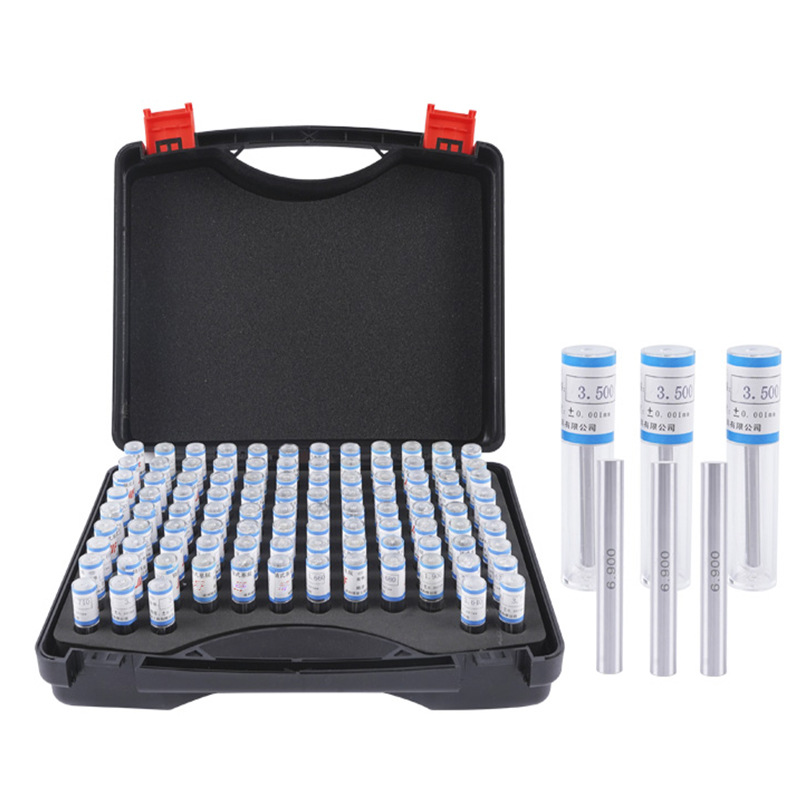
working thread plug gage
Understanding Working Thread Plug Gages Importance and Applications In the world of manufacturing an
Vérificateur anti-retour pour prévenir les refoulements dans les systèmes de canalisation
La Soupape Anti-retour Une Protection Essentielle dans les Systèmes Hydraulique La soupape anti-ret
Wooden connectors for timber structures
The Indispensable Role of Wood Timber Connectors in Modern Construction Wood timber connectors play
 English